
Participating Centres / International Collaborators
The INR is built on the collaboration of clinicians and centres across multiple countries who are contributing to a shared understanding of neuromodulation in real-world practice.
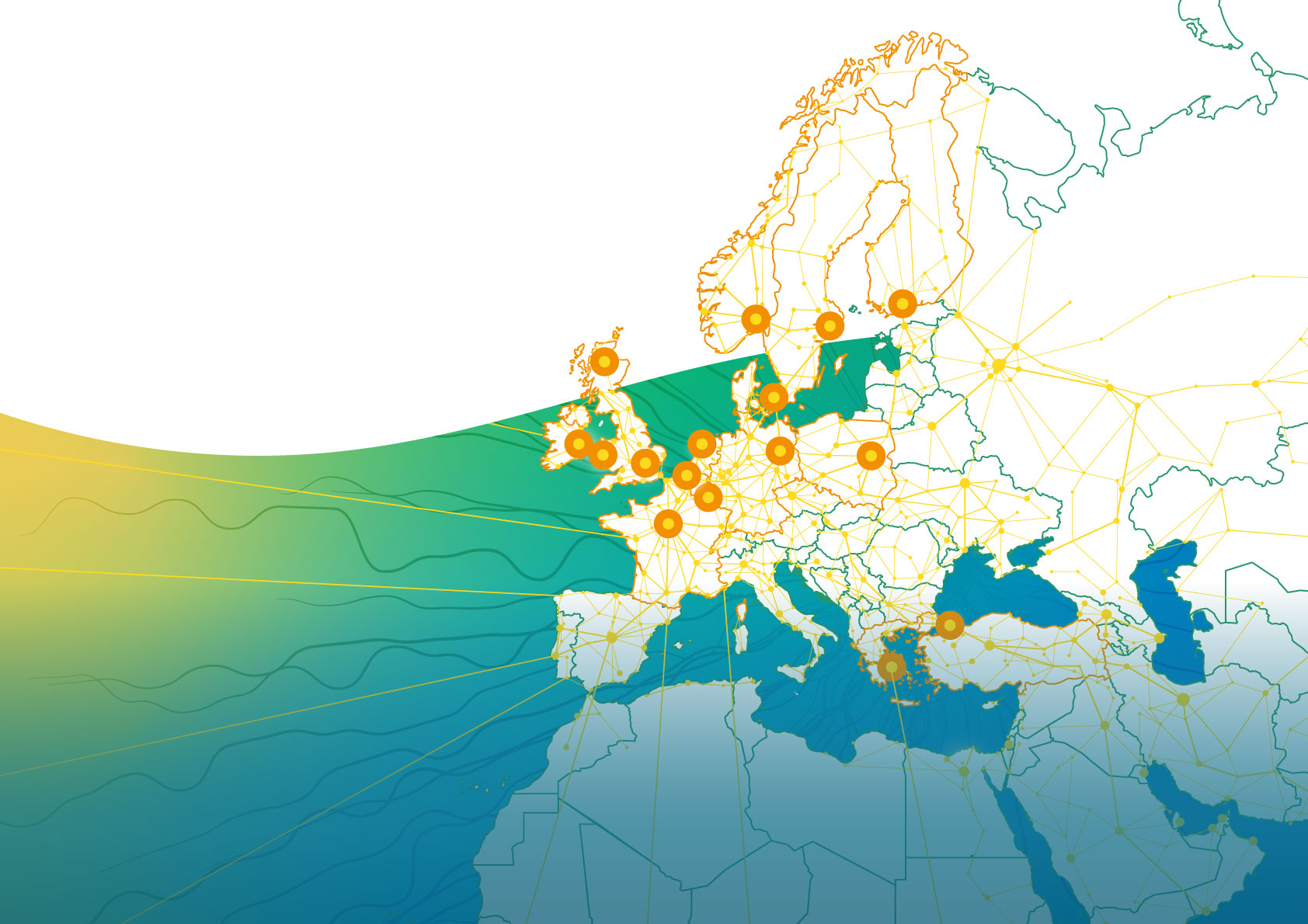
In its initial phase, the INR brings together a core group of 45 centres across 9 countries, including Belgium, France, Germany, Greece, Poland, Sweden, The Netherlands, Turkey, and the United Kingdom.
These centres represent a mix of:
- Academic hospitals
- Specialist neuromodulation units
- Established national and regional registries
Participation is intentionally phased. Centres are currently at different stages, including:
- Onboarding and governance approvals
- Training and system setup
- Early data submission
This reflects the practical realities of establishing a multinational registry across different healthcare systems and regulatory environments.
A growing international network
The centres involved today form the founding consortium of the INR. Their participation demonstrates that international collaboration in neuromodulation data collection is both feasible and sustainable.
The INR consortium is composed of clinical and scientific leaders in neuromodulation, spanning professional societies, university research groups, and high-volume hospital centres with established capability in neuromodulation practice, outcomes research, and clinical data generation. The partnership has been deliberately constructed to bring together the full end-to-end skillset required to deliver an interoperable European registry and to demonstrate its value through multi-country pilots and real-world evidence (RWE) use cases.
The consortium combines:
- Clinical implementation capacity (high-volume neuromodulation centres and neurosurgery/pain clinics able to recruit patients and deliver standardised data capture);
- Methodological and analytical expertise (epidemiology, biostatistics, data science, neuro-imaging, outcomes research);
- Domain leadership and stakeholder convening power (national professional society with links across the clinical community and the ability to engage regulators and innovators);
- Cross-national coverage to ensure trans-national implementation, testing, and transferability of the INR model across different healthcare and data environments.
As the registry develops, this network will continue to expand—welcoming additional centres and countries over time, while maintaining a shared commitment to consistent data collection and responsible data use.
Visibility and collaboration
Participating centres are not only contributing data—they are helping to shape the development of the registry itself.
Over time, the INR aims to:
Enable a more connected international neuromodulation community
Provide opportunities for benchmarking and shared learning
Support collaborative research and publications